
Introduction
Managing finances effectively is a skill that can lead to a secure and stress-free life. One popular method that has emerged to help individuals budget their finances is the 50/30/20 budget rule. This practical strategy categorizes after-tax income into three distinct groups: needs, wants, and savings or debt repayment. In this article, we will explore how the 50/30/20 rule works, its benefits, and tips for implementation.
Understanding the 50/30/20 Budget Rule
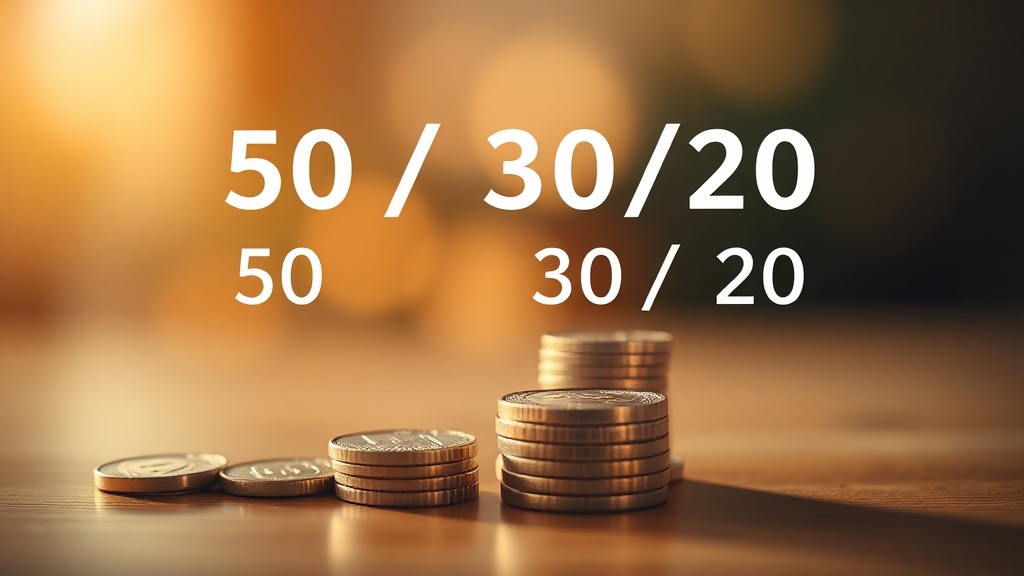
The 50/30/20 rule is a straightforward budgeting method that divides your income into three categories:
- 50% for Needs: Essential expenses that are necessary for survival and well-being.
- 30% for Wants: Non-essential items that enhance your lifestyle and bring enjoyment.
- 20% for Savings and Debt Repayment: Money set aside for future use or to pay down existing debts.
Defining Each Category
To apply the 50/30/20 rule effectively, it’s vital to understand what qualifies as a need, a want, and how savings or debt repayment fit into the picture.
Needs
Needs are the fundamental expenses that you cannot live without. These typically include:
- Housing costs (rent or mortgage)
- Utilities (electricity, water, heating)
- Groceries and essential food items
- Transportation (fuel, public transport)
- Healthcare (insurance, medical bills)
- Minimum debt repayments
Wants
Wants are the luxurious or leisure expenses that enhance quality of life but are not essential. These often encompass:
- Dining out
- Entertainment (movies, concerts)
- Travel and vacations
- Hobbies and recreational activities
- Subscription services (e.g., streaming)
Savings and Debt Repayment
The 20% allocated towards savings and debt repayment is crucial for building financial security. This can include:
- Contributions to retirement accounts
- Building an emergency fund
- Investments
- Additional debt repayments beyond the minimum
The Benefits of the 50/30/20 Rule
Adopting the 50/30/20 rule for budgeting can offer numerous benefits, making it a favored method among personal finance enthusiasts:
- Simplicity: The rule is easy to grasp and implement, making budgeting less daunting.
- Flexibility: It can be adjusted based on individual circumstances and financial goals.
- Balanced Spending: Encourages a healthy relationship with money by dividing it among essentials, luxuries, and savings.
- Financial Discipline: Promotes mindfulness around spending habits and encourages saving for the future.
How to Implement the 50/30/20 Rule
Putting the 50/30/20 rule into practice involves several steps. Here’s how to get started:
Step 1: Calculate Your After-Tax Income
The first step is determining your total monthly income after taxes. This includes your salary, bonuses, and any additional income streams, such as freelance work or rental income.
Step 2: Track Your Expenses
To effectively categorize your spending, keep detailed records of all your expenses. This can be achieved through:
- Using budgeting apps
- Spreadsheets
- Pencil and paper
Monitoring your expenditures for at least a month can provide clarity on where your money goes.
Step 3: Categorize Your Expenses
Once you have a clear overview of your spending, categorize each expense into needs, wants, or savings/debt repayment. This will help you visualize how closely you align with the 50/30/20 rule.
Step 4: Adjust as Necessary
If your expenses do not fit neatly within the 50/30/20 categories, don’t worry. Many experts suggest adjusting the percentages according to your unique financial situation. For instance, if you need to save more aggressively, consider lowering your want category temporarily.
Common Challenges and Solutions
While the 50/30/20 rule provides a solid foundation for budgeting, individuals may encounter challenges. Here’s how to navigate some common issues:
Challenge 1: Necessities Exceeding 50%
In some cases, essential expenses may surpass 50% of your income, especially in high-cost areas. If you find yourself in this situation, consider:
- Finding ways to reduce housing costs (e.g., relocating, downsizing)
- Evaluating and cutting down on variable utilities or transportation expenses
- Exploring public transportation options
Challenge 2: Lifestyle Inflation
As income increases, it’s tempting to spend more on wants. To combat lifestyle inflation:
- Remain mindful of your expenses and ensure your wants don’t compromise savings
- Set specific financial goals to keep your spending in check
Challenge 3: Debt Pressure
High levels of debt can complicate budgeting. To tackle this, focus on:
- Increasing the debt repayment portion of your budget
- Using strategies like the debt snowball or avalanche method to prioritize payments
Conclusion
The 50/30/20 budget rule is a practical tool for managing finances that can lead to improved financial well-being. By categorizing expenses and encouraging balanced spending, it helps individuals achieve their financial goals. Remember to adjust the percentages based on your unique situation and remain mindful of the importance of saving and responsible spending. With dedication and mindfulness, you can master your finances and pave the way for a secure financial future.
Disclosure: This post contains affiliate links. We may earn a commission at no extra cost to you. | Hinweis: Dieser Beitrag enthaelt Affiliate-Links. | Nota: Questo post contiene link affiliati.

