
Introduction: Understanding Your Debt Management Options
Struggling with debt can feel overwhelming. The weight of financial obligations can lead to stress, anxiety, and uncertainty about your future. Fortunately, there are effective strategies to regain control over your finances. In this comprehensive guide, we’ll delve into two popular methods for managing debt: debt consolidation and debt settlement. By the end, you’ll understand which option may be best for you and discover essential debt management tips to improve your financial health.
What is Debt Consolidation?
Debt consolidation involves combining multiple debts into a single loan, ideally with a lower interest rate. This strategy simplifies payments and can reduce monthly financial obligations.
How to Manage Debt Through Consolidation
- Identify your debts: List all current debts, including balances and interest rates.
- Research consolidation options: Explore personal loans, home equity loans, or balance transfer credit cards.
- Apply for a loan: Choose the best debt management program that suits your needs and apply.
- Pay off existing debts: Use the funds from your consolidation loan to pay off your creditors.
- Focus on repayment: Commit to making consistent payments on your new consolidated loan.
What is Debt Settlement?
Debt settlement is a negotiation process where you work with creditors to settle debts for less than the full amount owed. This can significantly reduce your overall debt but may impact your credit score.
How Does Debt Settlement Work?
- Assess your debts: Determine which debts are eligible for settlement.
- Stop paying: Cease payments on the debts you’re looking to settle, which can lead to more negotiation power.
- Negotiate with creditors: Reach out to creditors to propose a lower payment, often through a debt settlement company.
- Get it in writing: Ensure any agreement is documented before making a payment.
- Pay the settled amount: Complete the payment as agreed to finalize the settlement.
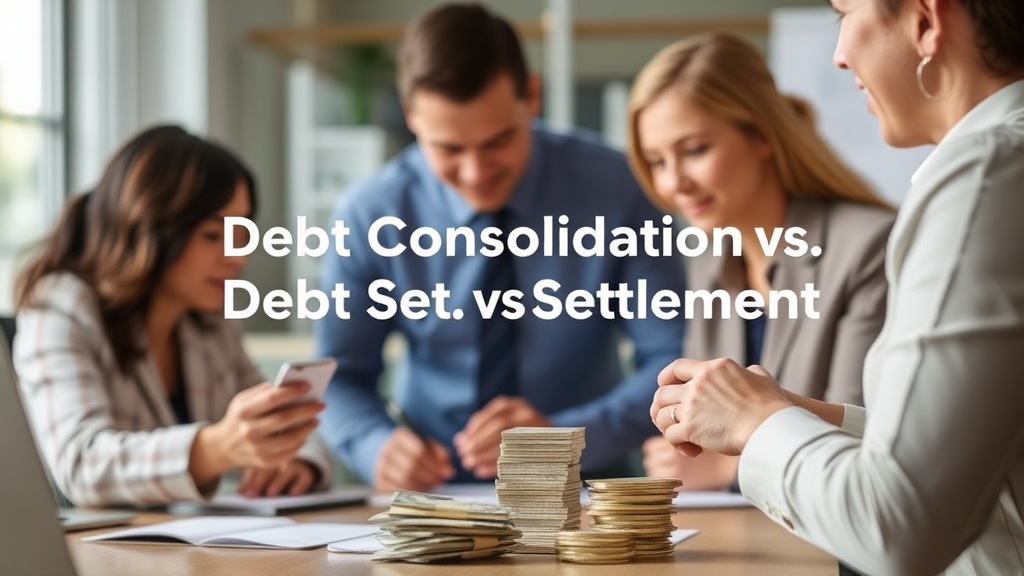
Debt Consolidation vs. Debt Settlement: Which is Right for You?
Deciding between debt consolidation and debt settlement depends on your financial situation, credit score, and personal preference. Here are key factors to consider:
Pros and Cons of Each Method
- Debt Consolidation:
- Pros: Simplifies payments, potentially lowers interest rates, can improve credit score with timely payments.
- Cons: Requires good credit for the best rates, may not address the underlying spending habits.
- Debt Settlement:
- Pros: Can significantly reduce total debt, resolves debts faster.
- Cons: Can damage credit score, may have tax implications on forgiven debt.
Debt Management Tips for Better Financial Health
Regardless of the method you choose, implementing effective debt management tips is crucial for long-term financial success. Here are some actionable strategies:
Establish a Budget
- Track your income and expenses to understand your financial situation.
- Identify areas where you can cut back on spending.
- Allocate a portion of your income to debt repayment.
Create a Debt Management Plan
A structured debt management plan can help you stay organized and focused:
- List all debts, including minimum payments and due dates.
- Prioritize debts based on interest rates or urgency.
- Use the snowball or avalanche method for paying off debts.
Utilize Best Debt Management Programs
Consider enrolling in a reputable debt management program. These programs can provide:
- Professional advice on managing debts.
- Negotiation with creditors for better terms.
- Education on financial literacy and budgeting.
Conclusion: Take Action Towards Financial Freedom
Choosing between debt consolidation and debt settlement requires careful consideration of your financial situation, goals, and potential impact on your credit score. By following the debt management tips outlined in this article, you can take proactive steps to regain control of your finances. Whether you opt for consolidation, settlement, or a combination, the most important thing is to take action. Start today by evaluating your debts and exploring your options. Remember, financial freedom is within your reach!
If you have questions or need personalized guidance, don’t hesitate to consult a financial advisor or a credit counseling service. Your journey to a debt-free life starts now!
Disclosure: This post contains affiliate links. | Hinweis: Affiliate-Links. | Nota: Link affiliati.