
Introduction
In a world where the unexpected can strike at any moment, having a financial safety net can provide peace of mind. An emergency fund serves as a critical component of sound financial planning, offering security in times of need. This article will guide you through the essential steps to build an emergency fund from scratch, ensuring you are prepared for any financial surprises that may come your way.
Understanding the Importance of an Emergency Fund
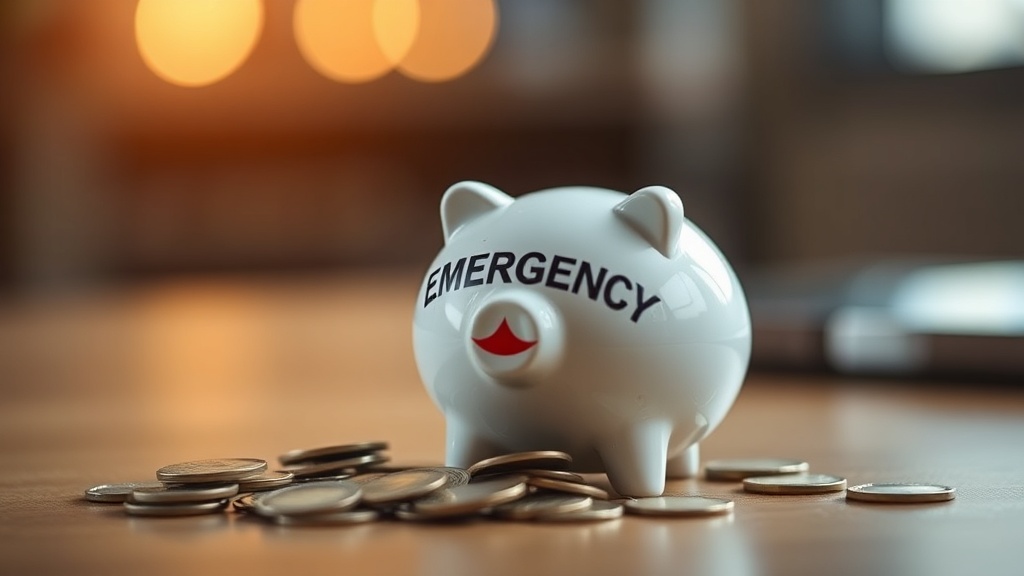
An emergency fund is typically defined as a reserve of money set aside specifically for unexpected expenses, such as medical emergencies, car repairs, or sudden job loss. Many experts recommend saving between three to six months’ worth of living expenses to create a solid financial buffer. This cushion not only helps cover essential costs in a crisis but also reduces the likelihood of falling into debt.
Step 1: Assess Your Monthly Expenses
Before you can build your emergency fund, it’s crucial to understand your financial landscape. Begin by assessing your monthly expenses to identify how much you need to save.
Fixed vs. Variable Expenses
Start by categorizing your expenditures into fixed and variable expenses:
- Fixed Expenses: These are consistent payments such as rent or mortgage, insurance, and loan payments.
- Variable Expenses: These include groceries, entertainment, and discretionary spending, which can fluctuate month to month.
By understanding these categories, you can determine how much money you can realistically allocate to your emergency fund each month.
Step 2: Create a Budget
Creating a budget is an essential step in the process of building an emergency fund. A budget allows you to see where your money goes and identify potential savings.
How to Create Your Budget
Follow these steps to create an effective budget:
- List all sources of income, including salaries, side jobs, or passive income.
- Compile your monthly expenses, both fixed and variable.
- Determine your discretionary spending and find areas where you can cut back.
- Set a realistic monthly savings goal for your emergency fund.
Many people find it helpful to use budgeting tools or apps to track their expenses and savings more effectively.
Step 3: Set a Savings Goal
Once you have a clear understanding of your finances, it’s time to set a specific savings goal for your emergency fund. This goal should typically cover three to six months of living expenses.
Determining Your Savings Goal
To calculate your savings goal:
- Add together all your fixed and variable monthly expenses.
- Multiply that total by the number of months you wish to cover (3 to 6 months).
This number will give you a clear target to aim for as you begin saving.
Step 4: Open a Separate Savings Account
Many experts suggest that keeping your emergency fund in a separate savings account helps to avoid the temptation to spend it. Look for an account that offers a competitive interest rate without monthly fees.
Benefits of a Separate Savings Account
- It keeps your emergency funds accessible without the risk of accidental spending.
- It can earn interest, helping your savings grow over time.
- It provides a clear distinction between your everyday funds and your emergency savings.
Step 5: Automate Your Savings
Once you have a separate savings account, automate the process of transferring money from your checking to your savings account. Many banking platforms offer the ability to set up automatic transfers on a weekly or monthly basis.
Advantages of Automation
Automating your transfers has several advantages:
- Consistency: Regular savings occur without the need for manual intervention.
- Psychological Relief: Knowing that savings are happening automatically can ease financial anxiety and encourage the habit of saving.
Step 6: Find Additional Sources of Income
If your monthly budget is tight and you’re struggling to save, consider looking for additional sources of income. This could include part-time work, freelance opportunities, or selling items you no longer need.
Ways to Increase Your Income
- Explore freelance work in your area of expertise.
- Consider taking on a part-time job, such as in retail or hospitality.
- Utilize platforms for selling goods or services, such as eBay or Etsy.
Step 7: Stay Motivated and Adjust as Necessary
Building an emergency fund can take time and perseverance. It’s important to stay motivated and adjust your strategies as your financial situation changes.
Tips to Stay on Track
- Set short-term milestones to celebrate progress, such as reaching a certain percentage of your savings goal.
- Review your budget regularly and make adjustments as needed.
- Stay focused on the sense of security that an emergency fund brings.
Conclusion
Creating an emergency fund from scratch is an empowering financial move. By assessing your expenses, budgeting effectively, setting a clear savings goal, and automating your savings, you can build a financial cushion that protects you against life’s uncertainties. Remember that many experts recommend saving three to six months’ worth of living expenses to ensure you’re adequately prepared. Start taking action today to enhance your financial stability and enjoy the peace of mind that comes from being prepared.
Disclosure: This post contains affiliate links. We may earn a commission at no extra cost to you. | Hinweis: Dieser Beitrag enthaelt Affiliate-Links. | Nota: Questo post contiene link affiliati.